

Building Maintenance Priorities for Managed Properties

A failed roof drain during the first major storm, a clogged dryer vent in an occupied building, or a walkway that looks neglected before an HOA inspection can quickly become more than a maintenance issue. For property managers and boards, building maintenance priorities determine where budgets go, what risks are addressed first, and whether a property remains safe, presentable, and protected over time.
The challenge is not finding items that need attention. Large properties always have a long list. The real work is separating urgent exposure from cosmetic work, assigning the right service frequency, and holding vendors accountable for complete execution. A disciplined priority plan makes that process manageable.
Start With Risk, Not the Loudest Complaint
The most effective maintenance programs do not simply react to the most recent resident request or the most visible stain. They begin with risk. Ask a direct question of every maintenance need: What happens if this work is delayed for 30, 60, or 90 days?
Items that affect life safety, water intrusion, fire exposure, code compliance, or building operations should lead the schedule. A blocked drainage system can send water into roofing assemblies, walls, foundations, and common areas. A neglected dryer vent can reduce equipment performance while increasing a preventable fire risk. Debris buildup in trash chutes can create sanitation concerns, odors, pest activity, and operational disruption.
Appearance still matters, especially for commercial communities, multifamily properties, and HOA-managed assets. But a pressure washing project should not displace work that prevents roof damage or drainage failures. The right sequence protects the asset first, then improves the experience of the people who live, work, shop, or visit there.
A practical priority order
For most managed properties, maintenance needs fall into four working tiers. The first tier is immediate risk: active leaks, blocked drains, unsafe walking surfaces, fire-related concerns, or conditions likely to cause damage now. The second is preventive work with a clear consequence if missed, such as gutter cleaning before rainy season or scheduled dryer vent service.
The third tier includes inspection readiness and operational standards. This may include window cleaning, trash chute cleaning, roof treatment, and exterior cleaning that supports health, appearance, and board expectations. The fourth tier is enhancement work that improves curb appeal but can be scheduled around higher-risk needs and budget timing.
This order is not fixed for every site. A retail center preparing for a tenant opening may need exterior appearance work sooner. A community with mature trees, flat roofs, or known drainage issues may need more frequent gutter service than a comparable property. Priorities should reflect the property's actual exposure, not a generic checklist.
Building Maintenance Priorities Should Follow the Property Calendar
Seasonality is one of the most overlooked drivers of maintenance performance. A service can be completed properly and still deliver poor results if it occurs at the wrong time. Preventive work is most valuable when it is scheduled before conditions create a problem.
In the Bay Area, gutter and roof cleaning should be planned around leaf drop and wet-weather patterns, not after residents report overflowing downspouts. Pressure washing is often best scheduled when surfaces have accumulated seasonal grime, algae, gum, or organic debris, while allowing adequate time before high-traffic events or inspection periods.
Solar panel cleaning also requires a deliberate schedule. Dust, pollen, bird droppings, and airborne debris can reduce production, but service frequency depends on the panel location, surrounding vegetation, local activity, and the owner's performance expectations. Cleaning too infrequently can allow buildup to affect output. Cleaning more often than the site requires can add unnecessary cost.
A property calendar should also account for annual HOA inspections, board meetings, budget cycles, peak leasing periods, tenant events, and weather windows. When vendors understand these dates in advance, they can organize crews, access requirements, staging, and follow-up work without last-minute disruption.
Protect the Building Envelope Before Damage Spreads
Exterior maintenance is often treated as cosmetic until water enters a building. By that point, what began as a clogged gutter, roof debris issue, or neglected sealant area may involve interior repairs, tenant complaints, mold concerns, and insurance documentation.
The building envelope includes the roof, drainage systems, exterior walls, windows, and the transitions between them. These components work together. If gutters overflow, water can affect fascia, siding, foundations, landscaping, and walkways. If roof debris holds moisture against roofing materials, it can accelerate deterioration and obstruct drains. If windows are not maintained, managers may miss signs of failed seals, damaged frames, or water staining that deserves closer review.
This is why exterior work should be planned as a connected scope rather than isolated tasks. Gutter cleaning, roof cleaning, window cleaning, and pressure washing each serve different purposes, but they can all support early issue detection when completed by a thorough, accountable maintenance partner.
What thorough service should include
Quality maintenance is more than sending a crew to perform a single task. Property managers should expect clear scope definitions, appropriate access planning, site protection, documented completion, and communication when crews identify conditions outside the original service request.
For example, gutter cleaning should address gutters, downspouts, and visible drainage obstructions, with attention to whether water can move away from the structure. Pressure washing should use methods appropriate for the surface so cleaning does not create avoidable damage. Roof cleaning should focus on preserving roofing materials, not simply making the roof look better from the ground.
The lowest bid can become expensive when it omits these details. Incomplete work creates repeat visits, unresolved risk, and more vendor coordination for an already busy management team.
Use Appearance Work to Support Inspections and Asset Value
A clean exterior does not replace capital planning, but it has direct operational value. It supports leasing, tenant confidence, board satisfaction, and the perception that the property is actively managed. For HOAs and multifamily communities, curb appeal is often one of the first factors residents and prospective buyers notice.
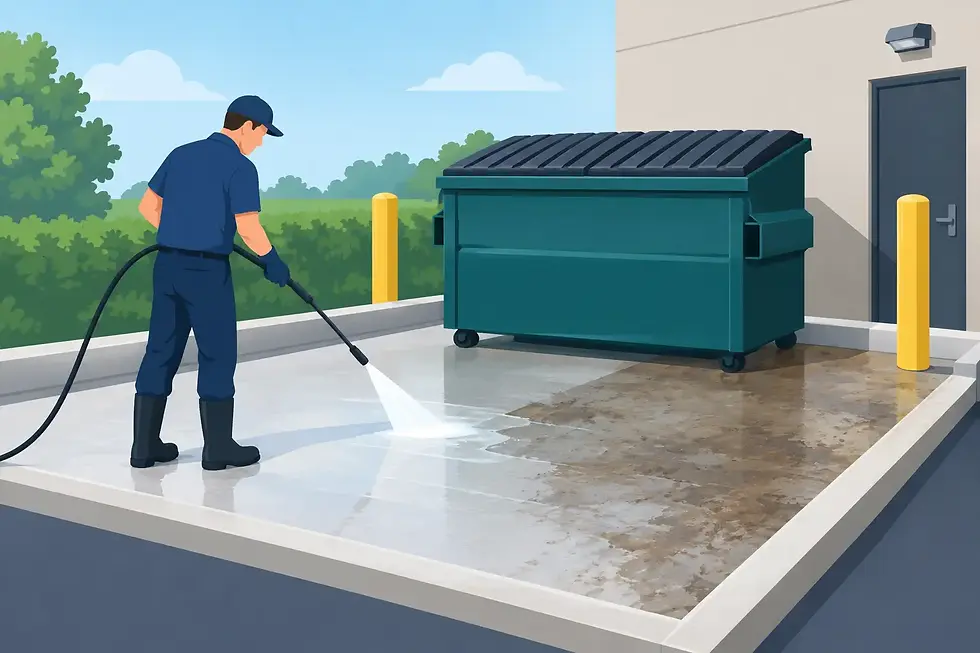
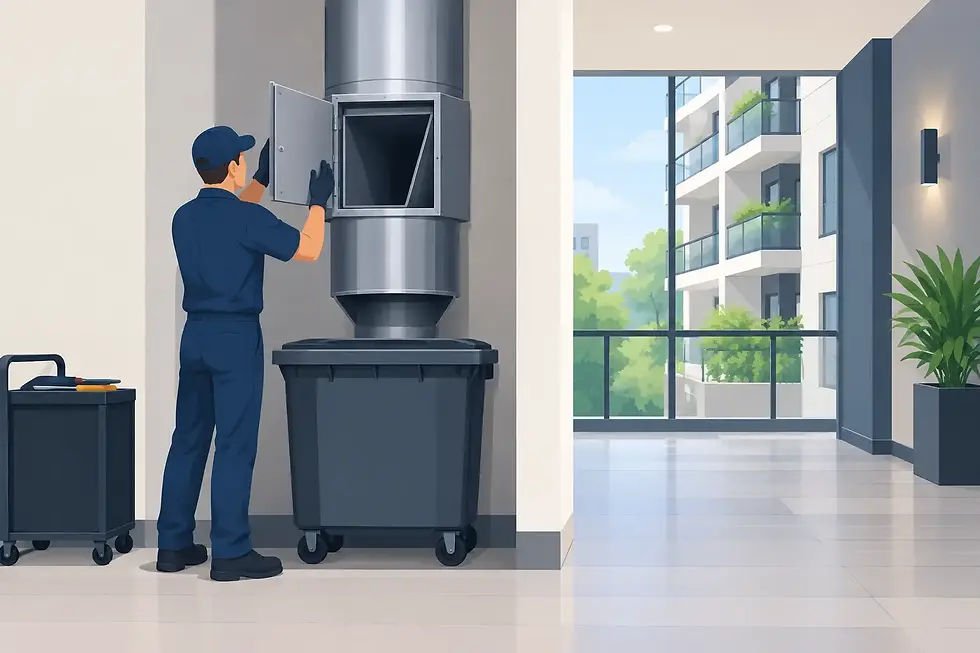
Pressure washing removes buildup from sidewalks, entries, breezeways, pool decks, parking structures, and other shared surfaces. Window cleaning improves the appearance of office campuses, retail centers, and residential common areas while making exterior conditions easier to observe. Trash chute cleaning helps preserve sanitary conditions in high-density properties where a small issue can affect many residents quickly.
The trade-off is budget discipline. Not every surface needs the same cleaning frequency, and scheduling all exterior work at once may not be the best use of funds. High-visibility entries, common walkways, leasing areas, and locations with recurring staining usually deserve priority. Lower-traffic areas can often follow a different cycle.
Consolidate Services Without Losing Accountability
Managing several specialty vendors can create gaps. One provider cleans the roof but does not inspect drainage. Another pressure washes walkways but is not scheduled around window cleaning. A third handles dryer vents with no awareness of the property's broader preventive maintenance plan. The result is more invoices, more access coordination, and more opportunities for missed details.
A coordinated maintenance partner can simplify planning across service categories while maintaining specialized execution. This does not mean every service should be bundled automatically. It means the property manager should have one organized point of contact who understands the site, recommends a sensible service sequence, and can adjust the scope as conditions change.
Outdoor Keepers provides that type of commercial-grade coordination for properties that need dependable exterior upkeep, from gutter and roof cleaning to pressure washing, window cleaning, solar panel cleaning, dryer vent cleaning, and trash chute cleaning. The value is not just a broader menu of services. It is a more organized approach to protecting the property across the year.
Build a Plan That Can Be Measured
A maintenance plan becomes useful when it can be reviewed, budgeted, and adjusted. Each property should maintain a service record that identifies completed work, recurring problem areas, inspection findings, recommended follow-up, and the next expected service date.
This record helps boards and owners make better decisions. If one building requires repeated drain clearing, the issue may be vegetation, roof design, tenant activity, or a drainage repair need. If pressure washing needs are increasing in a particular area, the team can investigate whether irrigation overspray, shade, or surface deterioration is contributing. Patterns matter because they turn recurring work orders into actionable property intelligence.
Set service standards in advance as well. Define what clean, complete, and inspection-ready look like for the property. Require crews to report exceptions, photograph material findings when appropriate, and communicate promptly if access, safety, or weather affects the scope. Those expectations protect both the asset and the manager responsible for it.
The strongest maintenance programs are not built around emergencies. They are built around clear priorities, consistent schedules, and vendors who treat every service visit as part of the property's long-term condition. When that standard is in place, preventive maintenance stops feeling like a recurring expense and starts functioning as asset protection.

Comments