
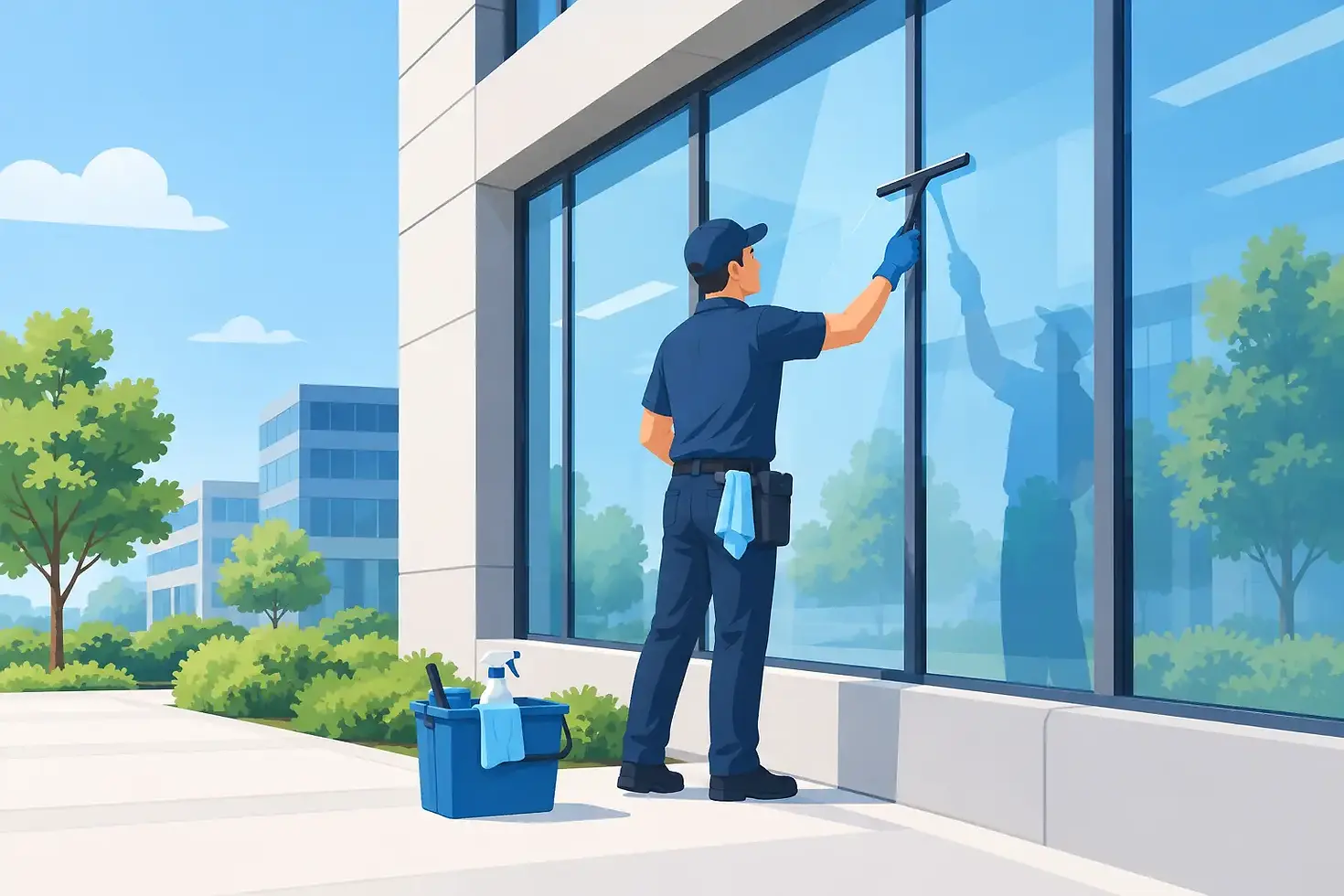
How to Maintain Commercial Windows Properly

A streaked storefront window is visible. A failed perimeter seal or clogged sill drain is not - until moisture reaches interior finishes, tenants report leaks, or an inspection exposes the issue. Knowing how to maintain commercial windows means managing both appearance and performance through a documented, property-specific maintenance plan.
For multifamily communities, office campuses, retail centers, and HOA-managed properties, window care should not be treated as an occasional cleaning task. Glass, frames, seals, tracks, drainage paths, and surrounding building surfaces all work together. Neglect in one area can lead to corrosion, water intrusion, staining, energy loss, and avoidable repair costs.
How to Maintain Commercial Windows With a Planned Scope
The right service frequency depends on the building's exposure, window system, occupancy, and visual standards. A low-rise office building set back from traffic will have different needs than a coastal apartment community, a downtown retail facade, or a medical facility where a clean exterior supports a higher standard of care.
Start with a baseline assessment. Identify the window types across the property, access requirements, visible staining, damaged screens, failed seals, obstructed weep holes, and areas prone to runoff from roofs or upper elevations. This gives property managers a defined scope instead of a vague request to "clean the windows."
A commercial maintenance plan should also record recurring trouble spots. These might include hard-water deposits below irrigation lines, pollen buildup on shaded elevations, bird activity around ledges, or construction dust near a developing site. Tracking patterns helps service teams correct the cause, not repeatedly treat the symptom.
Clean Glass Before Deposits Become Permanent
Routine professional window cleaning protects more than curb appeal. Airborne pollutants, mineral-rich water, salt residue, oxidation runoff, and sprinkler overspray can bond to glass over time. Once deposits etch the surface, standard cleaning may no longer restore clarity.
Use cleaning methods appropriate for the glass and building height. Pure-water systems can be effective for many exterior applications because they leave little residue when properly used. Traditional mop-and-squeegee work may be the better choice for detailed storefront glass, interior glass, and areas requiring close attention around frames. Access equipment, fall protection, and trained crews are non-negotiable for elevated work.
Avoid aggressive abrasives, unapproved blades, and harsh chemicals that can damage coatings, window films, frames, or adjacent surfaces. The cleaning approach should account for tempered glass, low-E coatings, tinted panes, decorative films, and manufacturer requirements. A premium result does not come from using the strongest product available. It comes from using the correct process for the assembly in front of you.
For many commercial properties, exterior cleaning every quarter is a practical starting point. High-visibility retail, hospitality, healthcare, and urban locations may benefit from monthly service. Lower-exposure properties may be able to operate on a semiannual schedule, provided inspections show that deposits are not accumulating.
Inspect Frames, Seals, and Drainage Paths
Clean glass can make defects easier to spot, which is one reason cleaning and inspection should be coordinated. During each service visit, crews should look for cracked or missing sealant, loose glazing components, damaged gaskets, frame corrosion, paint failure, and signs of condensation between panes.
Fogging inside an insulated glass unit often indicates a failed seal. It does not always create an immediate leak, but it can reduce insulation performance and diminish the building's appearance. Record the location, photograph the condition, and prioritize replacement based on severity, visibility, and budget planning.
Drainage deserves equal attention. Most commercial window systems are designed with weep holes and channels that move incidental moisture to the exterior. Dirt, insects, paint overspray, and debris can block these routes. When that happens, water can back up into the system and find its way into walls or interiors.
Check sill tracks and weep holes at least twice a year, and more often after major storms or nearby construction. Do not seal over drainage openings during painting or repair work. If a window repeatedly holds water, the issue may be more complex than debris and should be evaluated by a qualified glazing or building-envelope professional.
Control the Conditions That Damage Windows
Window maintenance is closely connected to other exterior systems. Roof runoff, clogged gutters, overflowing downspouts, irrigation overspray, and poorly aimed pressure-washing equipment can all shorten the life of glass and frames.
A coordinated preventive maintenance program should address the sources of contamination. Keep gutters and roof drainage clear so dirty water does not cascade over window elevations. Adjust irrigation heads away from glass and facade materials. Address oxidation or rust runoff above windows before it creates permanent staining. When pressure washing nearby surfaces, use controlled pressure and protect glazing, seals, and vulnerable finishes.
Landscaping also matters. Trees and shrubs that contact windows trap moisture, deposit organic matter, and limit access for cleaning and inspection. Maintain clear working space around ground-level windows, especially in multifamily common areas and commercial entry points.
Create a Schedule That Supports Operations
The best maintenance schedule is predictable enough for budgeting and flexible enough to respond to conditions. Rather than relying on tenant complaints or pre-inspection rushes, build window care into the property's annual operating calendar.
A practical schedule may include:
Monthly visual checks of entrances, storefronts, and other high-traffic glass for smears, damage, and safety concerns.
Quarterly exterior cleaning for properties with regular public visibility, traffic pollution, or irrigation exposure.
Semiannual checks of frames, seals, tracks, weep holes, and screens.
Post-storm inspections after wind-driven rain, falling branches, or significant debris events.
Annual documentation of failed glass units, recurring leaks, and repair priorities for capital planning.
This schedule should be adjusted based on the property. A Class A office campus may prioritize presentation at all times, while a warehouse may focus more heavily on drainage, safety glazing, and operational areas. In either case, consistency prevents small defects from becoming disruptive repairs.
Protect Tenants, Visitors, and Service Teams
Commercial window work affects occupied spaces, pedestrian routes, vehicles, and daily operations. A reliable provider plans for access and safety before work begins. That includes confirming building entry procedures, staging equipment appropriately, posting work-area signage, protecting landscaping, and coordinating around tenant schedules.
For HOAs and multifamily communities, communication is especially valuable. Residents should know when work is scheduled, whether access to balconies or patios is needed, and how crews will protect personal property near windows. Clear advance notice reduces friction and allows the work to be completed efficiently.
Documentation also protects the property. Service reports should identify completed areas, note visible deficiencies, and distinguish routine cleaning needs from conditions that require glazing, waterproofing, or construction repair. This creates accountability and gives managers a usable record for board updates, inspections, and vendor coordination.
Know When Cleaning Is Not the Answer
Not every window problem can be corrected with maintenance cleaning. Deep glass etching, failed insulated units, cracked panes, structural frame movement, persistent interior leaks, and deteriorated perimeter sealants require specialized repair or replacement work.
The value of routine service is early identification. When a maintenance team flags a developing issue before it affects multiple units or interior finishes, managers can scope repairs on their terms rather than react to an emergency. That is a better outcome for operating budgets, residents, and property condition.
A well-maintained window system reflects disciplined property management. With scheduled cleaning, careful inspections, controlled runoff, and documented follow-through, windows remain clearer, safer, and easier to manage across the life of the asset. Outdoor Keepers approaches this work as part of a coordinated exterior maintenance program, helping managed properties stay prepared for daily operations and the next inspection.


Comments